
For parents
Music tutor UK: instrumental lessons and academic music tutoring (2026)
Music tutoring covers both instrumental lessons and academic music, GCSE and A Level written components. Here's how to find the right tutor for what your child actually needs.
Harry Wright, founder, TutorLab
7 min read
Music tutoring in the UK covers two fairly different areas: instrumental or vocal lessons (which most people think of first), and academic music — GCSE and A Level Music, which combines performance, composition and written theory. Both benefit from private teaching, and both have an active tutoring market.
Instrumental lessons vs academic music tutoring
It's worth distinguishing between the two, because they require different tutors:
- Instrumental and vocal tuition — piano, guitar, violin, singing, drums, etc. — is one-to-one by nature. Tutors typically work through grade exams (ABRSM, Trinity Guildhall) or help students learn specific repertoire for pleasure or performance.
- Academic music tutoring — for GCSE and A Level Music — covers the written components: music theory, analysis of set works, composition technique and sometimes aural training. Students can have strong instrumental skills but still struggle with the written exam, and vice versa.
Looking for a Music tutor?
Tell us what you need and up to 3 likely responders reply. No reply within 48 hours and we introduce you to more, automatically. Free, and no agency fees on top of their rate.
Get matched with a tutor, free
One short form. No reply within 48 hours and we introduce you to more, automatically.
One form → up to 3 likely responders. No account, no agency fees.
Prefer to browse first? See all Music tutors
Music tutors on TutorLab
Real, independent tutors on TutorLab. Message them directly, no agency fees.
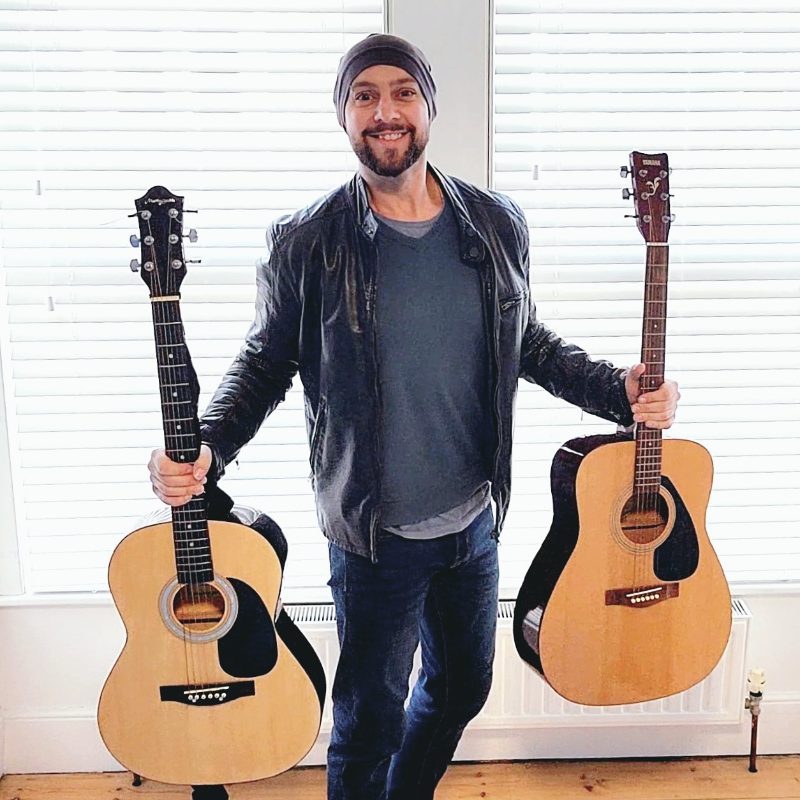
Rich Hamer
Guitar teacher in Plymouth
No verified reviews yet
MusicGuitarDegreePlymouth
£10/hrAvailable
Rich Hamer, Music tutor in Plymouth→
EM
Eilidh McKell
Experienced Music and Art tutor in Ryedale, North Yorkshire
No verified reviews yet
MusicArtGCSEKS3Ryedale, North Yorkshire
£15–£25/hrAvailable
Eilidh McKell, Music tutor in Ryedale, North Yorkshire→
OJ
Oswin John
One-to-one Music tuition in Coventry
No verified reviews yet
MusicGCSEA-LevelCoventry
£30–£55/hrAvailable
Oswin John, Music tutor in Coventry→
CD
Claire Davies
No verified reviews yet
MusicPianoRotherham
Rate on enquiryAvailable
Claire Davies, Music tutor in Rotherham→
GC
Graham Case
Singing teacher and voice coach in Bath
No verified reviews yet
MusicSingingAdultBath
Rate on enquiryAvailable
Graham Case, Music tutor in Bath→
NT
Nottingham Tutors
No verified reviews yet
MusicAdultNottingham
Rate on enquiryAvailable
Nottingham Tutors, Music tutor in Nottingham→
GCSE and A Level Music tutoring
GCSE Music is examined across three components: performing, composing and listening/analysis. The written elements — listening comprehension and notation — trip up students who are strong performers but haven't developed formal theory knowledge.
A Level Music is a more demanding academic subject than many students expect. It requires deep engagement with set works across different periods (often including Baroque counterpoint, Classical forms, Romantic harmony and 20th-century techniques), as well as original composition and technical music theory. Many able musicians need a tutor for the academic components even if their performance is strong.
What to look for in a music tutor
- For instrumental lessons: Relevant graded exam experience (ideally Grade 8 or diploma-level), knowledge of the exam board your child is working towards (ABRSM vs Trinity), and experience teaching the specific instrument.
- For academic music: A music degree or strong music theory background, familiarity with the specific exam board spec (AQA, Edexcel, OCR), and ability to teach notation and analysis as well as performance.
Online music tutoring
Academic music tutoring (theory, analysis, composition feedback) works well online — shared notation software, recordings and PDFs of set works all translate to screen-based sessions.
Instrumental tuition online is more variable. For theory-heavy aspects of lessons it works fine; for nuanced technique feedback (bow pressure, embouchure, touch) some students and teachers prefer in-person. Many instrumental tutors offer a combination.
Music tutor costs
- Instrumental lessons (beginner–Grade 5): £25–£45/hour
- Instrumental lessons (Grade 6–8 and above): £40–£70/hour
- GCSE Music academic tutoring: £30–£50/hour
- A Level Music: £40–£65/hour — music graduates and conservatoire-trained tutors at the upper end
Find a music tutor
Browse music tutors on TutorLab. Tutors list their instruments, qualifications and whether they teach academic or performance.
- Music tutors in London
- Music tutors in Manchester
- Music tutors in Birmingham
- Online music tutors (UK-wide)
Frequently asked questions
What grade should my child reach for GCSE Music performance?
GCSE Music performance is typically assessed at around Grade 4–5 standard. A Level performance is assessed at around Grade 6–7. Students significantly below these levels at the start of the course should be aware of the expected standard.
My child is a strong musician but struggles with music theory. Can a tutor help?
Yes — this is one of the most common music tutoring scenarios. Theory knowledge and performance ability are separate skills. A tutor focused specifically on music theory can close this gap quickly for a student who is already musically experienced.
Can a music tutor help with composition for GCSE or A Level?
Yes. Composition is a significant component of both GCSE and A Level Music and is one of the areas where students most benefit from individual feedback. A tutor who can listen to and critique compositions in progress is very useful.
What ABRSM grade is equivalent to GCSE Music standard?
Roughly Grade 4–5 ABRSM for GCSE, Grade 6–7 for A Level performance component. These are rough equivalences — exam boards assess their own criteria, not directly against ABRSM grades.
Are there music tutors who cover multiple instruments?
Some tutors teach multiple instruments, particularly those in the same family (piano and organ, guitar and bass, violin and viola). Check tutor profiles for instrument coverage.
Related reading
Find a Music tutor for your child
Tell us what you need and we'll match you with independent UK tutors. No reply within 48 hours and we introduce you to more, automatically. Free, and no agency fees on top of their rate.
Get matched, freePrefer to browse first? See all Music tutors