
For parents
Computer Science tutor UK: GCSE and A Level guide (2026)
Programming either clicks or it doesn't, until someone explains it differently. Here's what to look for in a computer science tutor and why the NEA makes tutoring especially valuable at A Level.
Harry Wright, founder, TutorLab
8 min read
Computer Science is one of the fastest-growing GCSE and A Level subjects in the UK, and one where the gap between strong and weak students is unusually wide. Programming in particular divides students — some take to it immediately, others find it genuinely baffling without one-to-one support. A computer science tutor can make the difference between a student who understands code and one who just memorises it.
What a computer science tutor covers
GCSE Computer Science has two components: the written theory paper and programming. Both are commonly tutored:
- Programming (Python primarily). Most GCSE CS specifications use Python. Students who struggle to debug their own code, understand loops and conditionals, or write programs from scratch benefit enormously from a tutor who can work through code with them in real time.
- Theory topics. Binary, data representation, computer architecture, networks, algorithms and data structures are all theory components examined in the written paper. These are learnable with the right explanation — many students just haven't had enough time with them.
- Algorithms and pseudo-code. Understanding how algorithms work conceptually — sorting algorithms, search algorithms, recursion — is a specific skill. Tutors can walk through these step by step until the logic is clear.
At A Level, the content expands significantly: Object-Oriented Programming, functional programming, databases, operating systems, compression, encryption, and the NEA (non-examined assessment — a programming project that counts for 20%).
Looking for a Computer Science tutor?
Tell us what you need and up to 3 likely responders reply. No reply within 48 hours and we introduce you to more, automatically. Free, and no agency fees on top of their rate.
Get matched with a tutor, free
One short form. No reply within 48 hours and we introduce you to more, automatically.
One form → up to 3 likely responders. No account, no agency fees.
Prefer to browse first? See all Computer Science tutors
Computer Science tutors on TutorLab
Real, independent tutors on TutorLab. Message them directly, no agency fees.
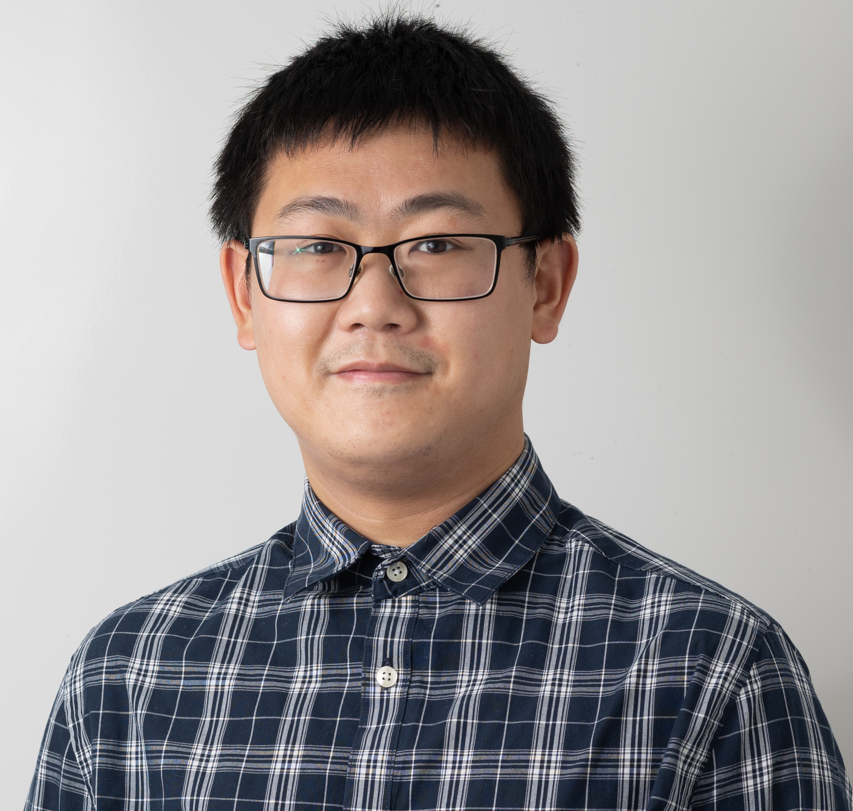
Simon Chu
A Level Maths and Further Maths tutor (as well as TMUA, STEP, and some undergraduate level Maths)
No verified reviews yet
Computer ScienceMathsGCSE (all)A Level (all)Online
Rate on enquiryAvailable
Simon Chu, Computer Science tutor→

Mahdi Jelodari
Computer Science undergraduate and postgraduate
No verified reviews yet
Computer ScienceA-Level BusinessOnline
Rate on enquiryAvailable
Mahdi Jelodari, Computer Science tutor→

Darwin V
Ex-Apple engineer with 5+ years of experience
No verified reviews yet
Computer ScienceMachine LearningGCSEA-LevelOnline
£39–£79/hrAvailable
Darwin V, Computer Science tutor→
LT
Leading Tuition
No verified reviews yet
Computer ScienceMathsSATsGCSELondon
Rate on enquiryAvailable
Leading Tuition, Computer Science tutor in London→
AT
Alpha Tutoring
No verified reviews yet
Computer ScienceMathsGCSEA-LevelBristol
Rate on enquiryAvailable
Alpha Tutoring, Computer Science tutor in Bristol→
SM
Study Mind
No verified reviews yet
Computer ScienceMathsGCSEIGCSELondon
Rate on enquiryAvailable
Study Mind, Computer Science tutor in London→
The NEA — why tutoring matters here
The A Level Computer Science NEA is one of the most poorly supported parts of the course. Teachers have limited time to give individual feedback on independent programming projects, and students often get stuck without knowing how to move forward. A tutor who can review code, suggest debugging approaches and help with design documentation makes the NEA significantly less stressful.
What to look for in a CS tutor
- Practical programming ability. Ask whether the tutor can write and debug Python fluently. A tutor with a computer science degree or professional coding experience is very different to one who only has teaching experience.
- Exam board knowledge. AQA, OCR and Edexcel GCSE/A Level CS are different specifications with different programming requirements and theory content. Ask which board your child is on.
- Patience with debugging. Helping a student find a bug in their code requires a different skill to explaining a concept. The best CS tutors are good at both.
Computer science tutor costs
- GCSE Computer Science: £30–£50/hour
- A Level Computer Science: £40–£70/hour — computer science graduates and software professionals at the upper end
- Online: Computer Science is arguably the best subject for online tutoring. Code can be shared, edited and run collaboratively via screen share in real time.
Find a computer science tutor
Browse computer science tutors on TutorLab.
- Computer Science tutors in London
- Computer Science tutors in Manchester
- Computer Science tutors in Cambridge
- Online Computer Science tutors (UK-wide)
Frequently asked questions
My child struggles with Python. How quickly can a tutor help?
Programming clicks at different speeds for different students, but most make meaningful progress within four to six hours of focused, one-to-one practice. The key is actually writing and running code in sessions, not just watching the tutor demonstrate.
Can a CS tutor help with the GCSE controlled assessment?
Tutors can help students understand the requirements, design their program and debug issues — but the code must be the student's own work. A good tutor makes sure the student genuinely understands their program rather than just producing something that runs.
Does A Level Computer Science require maths?
Some mathematical thinking is involved — particularly in algorithms, binary arithmetic and Boolean logic — but A Level Maths is not a prerequisite. Strong logical reasoning matters more than advanced maths for most of the CS content.
What programming language does GCSE Computer Science use?
Most students use Python, which all major exam boards accept for GCSE. AQA also provides its own pseudo-code language for theory questions. A Level can involve other languages for the NEA.
My child wants to do software engineering at university. How important are GCSE/A Level grades?
Top computer science courses at Russell Group universities typically require A Level Computer Science at A or A*, along with A Level Maths. GCSE grades matter for sixth form entry. Starting tutoring early gives more time to build genuine programming skill.
Find a Computer Science tutor for your child
Tell us what you need and we'll match you with independent UK tutors. No reply within 48 hours and we introduce you to more, automatically. Free, and no agency fees on top of their rate.
Get matched, freePrefer to browse first? See all Computer Science tutors